
Perceptions of Sexual Violence
A Reflection by Denise Charlton on New Research
Ensuring that the shocking reality of sexual violence, its devastating impact and its pervasiveness throughout our society are seen and understood is essential if we are to end a crisis that has been hidden in plain sight for too long. Denise Charlton reflects on new research on the Perceptions of Sexual Violence which has been produced by the Dublin Rape Crisis Centre, in partnership with Community Foundation Ireland (27th Sept 2026)
Two Truths
The idea that two things can be true at the same time has become something of a familiar phrase. It certainly applies to this moment in our efforts to end sexual violence.
It is true that there have been important and positive developments. Conversations once silenced now take place in public. Consent is more widely discussed, while services, law and policy continue to evolve.
Survivors and specialist organisations have worked with extraordinary persistence to secure each of these. That progress matters, and it should be recognised.
But the second truth is more uncomfortable. What is most striking in this new research is how familiar the overall picture remains. Despite the progress made, the scale of the issue and many of the barriers facing survivors remain.
The Research
Almost one in three adults say they have experienced some form of sexual violence. Nearly half believe they know someone who may have experienced rape or sexual violence without disclosing it.
Fear of not being believed, stigma, concerns about others finding out and lack of trust in services remain among the principal barriers to seeking support.
The figures are vital because they make the scale of the challenge visible. But behind every percentage is a person, and many survivors are still carrying their experience silently, without reporting it or seeking the support they need.
The research also reminds us that progress does not always move in a straight line.
Strong majorities recognise the importance of consent education, accountability and support for survivors. At the same time, sceptical and victim-blaming attitudes persist, with particularly concerning findings among some younger men.
The need for continued education, engagement and public conversation is clear.
This is where philanthropy has a distinctive role.
Community Foundation Ireland is proud of its partnership with the Dublin Rape Crisis Centre and of its work with many similar organisations.
As Ireland’s philanthropic hub, we work with partners and donors to mobilise strategic philanthropy to advance equality, strengthen communities, and protect climate and nature.
Our equality mission cannot be achieved while sexual and gender-based violence continues to limit people’s safety, freedom and opportunity.
A philanthropic response must begin with people in immediate danger and the frontline organisations they turn to. Through partnerships, philanthropy helps to keep helplines available, improve access to safe spaces, and support survivors through medical, therapeutic and legal processes.
Our partnership with the Dublin Rape Crisis Centre includes the vital work of supporting survivors through the trauma of the legal process, including court.
But philanthropy must also look beyond the immediate crisis. It can support research that reveals what might otherwise remain unseen, reach communities facing additional barriers, test new approaches, and sustain advocacy until lasting change is achieved.
Our wider partnerships have supported culturally sensitive programmes, community navigation, therapeutic responses for children and young people, and evidence-led work on consent, exploitation and emerging harms, both online and offline.
The value of this research is not simply that it gives us another set of figures. It gives policymakers, services, funders and the wider public a clearer view of what has changed, what has not, and where attention is now most needed. It helps ensure that action is based on evidence rather than assumption.
The message I take from it is not that progress has failed. It is that deep-rooted change requires persistence.
Community Foundation Ireland is committed to staying with this work for the long term, alongside the Dublin Rape Crisis Centre and the many organisations supporting survivors, challenging harmful attitudes and pursuing systemic change.
We must keep listening, keep investing and keep the issue visible. I hope today’s discussion helps turn this evidence into renewed commitment and practical action.
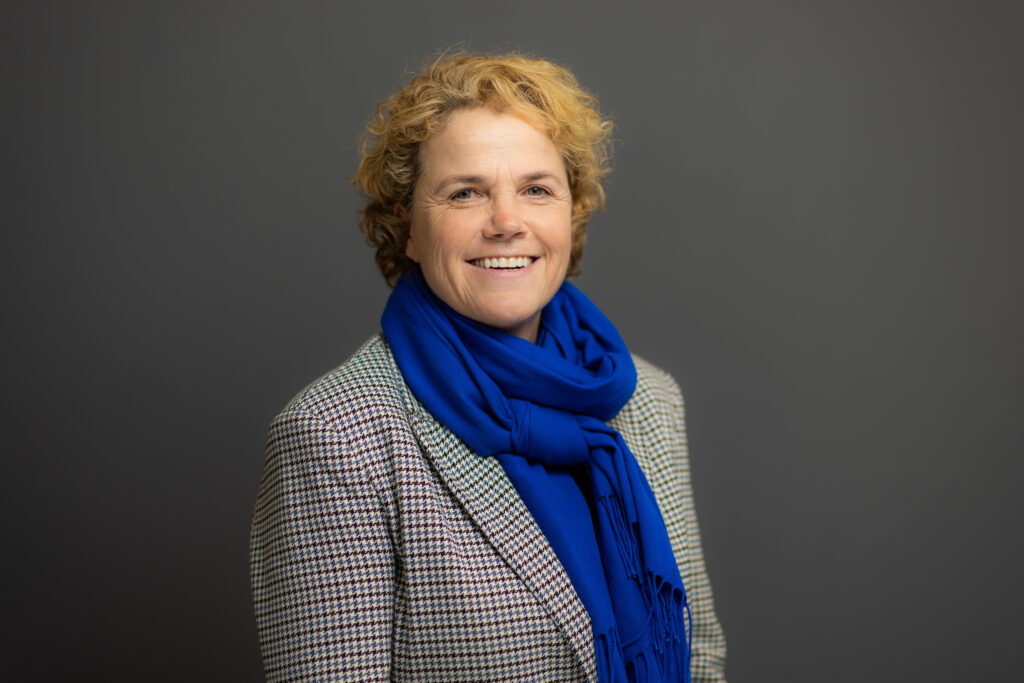
Denise Charlton is Chief Executive of Community Foundation Ireland.