Saving Plants, Wildlife, Habitats
The Role of Philanthropy
By Denise Charlton
Our plants, wildlife and native habitats are disappearing. Nature both globally and much closer to home is in crisis. Landscapes, our coasts and our waterways are becoming stripped of life.
Birds, insects, plants and animals are either gone or becoming less frequent. The bird-calls, buzzing insects and fleeting sightings of hares, bats or butterflies which marked child-hood just a generation ago – are becoming less and less familiar.
Rallying Call
The declaration of a National Emergency in Biodiversity in 2019 was a rallying call which Community Foundation Ireland, its partners and philanthropists have been answering ever since.
Thousands of acres of plants and trees have been saved, species brought back from the brink and valuable riverbanks, bogs and sand-dunes have been restored since.
Yet, our achievements must be measured against the enormity of the emergency and urgent need for all of us to do much more, much bigger and much faster.
#IrishSpring
Some years it can seem like wishful thinking but St Brigid’s Day at the start of February is the traditional start of Spring in Ireland. For many species it is time to re-awaken from hibernation and for most of our partners in nature to turn their planning into action.
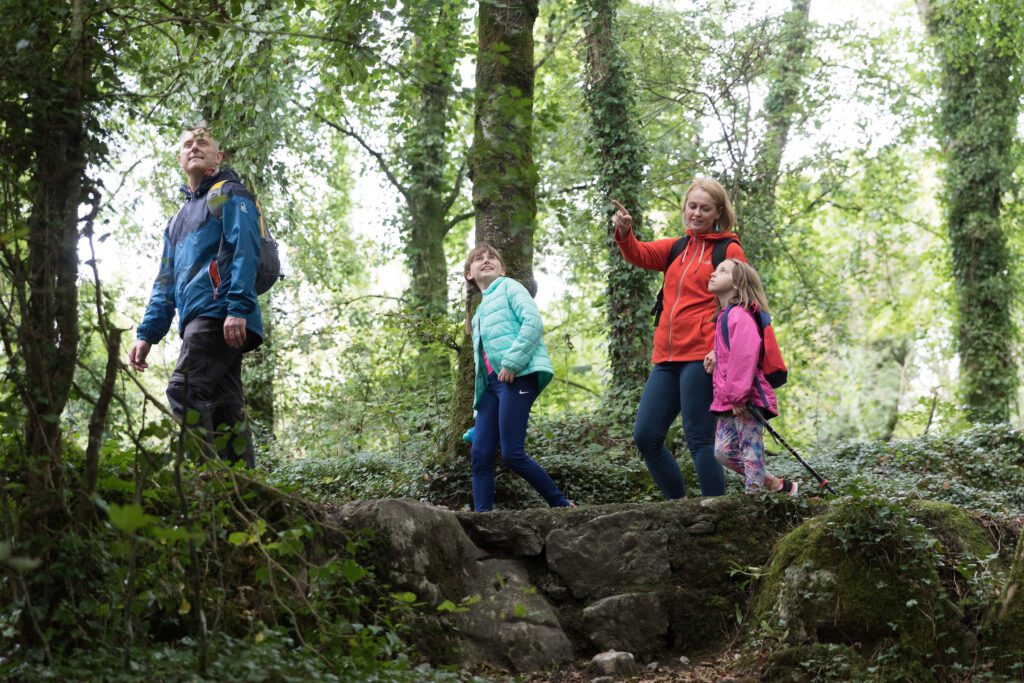
Each year we use the opportunity to announce the latest grants to assist motivated local communities to either draw up or implement local biodiversity action plans.
Pioneering when it was started six years ago, these local action plans are the result of a partnership between Community Foundation Ireland and the National Parks and Wildlife Service.
Grown with the support of donors, the 2026 grants will see the number of action plans grow to over 300. Much more than funding each is impactful because of its unique approach partnering energy, enthusiasm and passion with the knowledge of an expert ecologist.
The results speak for themselves. The return of breeding endangered Corncrakes to one of the Aran Islands, International recognition and protection for the Karst landscape of South Roscommon, development of food forests in Mayo and so much more.
Habitats are provided for animals, birds and even creepy crawlies which were once common but are now disappearing.
Local efforts so impactful and important that more than 80% gather information and evidence which is fed into the National Biodiversity Data Centre, contributing to an extensive mapping of Irish wildlife.
Systemic Change
Our work with the experts in gathering data to show the extent of the damage done and the depth of the emergency is just part of a wider approach to deliver the systemic change needed.
As our work with local communities has grown, so too has partnerships with national and regional organisations, researchers and advocates.
From Trinity College Dublin to University College Cork we are supporting efforts to change practices and actions which threaten the plants and animals which also call our communities home.
ReFarm Ireland is an organisation encouraging new and sustainable methods of farming. Its network of participating farmers and landowners stretches across many counties including the world famous but fragile Burren.
Birdwatch Ireland is training citizen scientists across the country to monitor and protect many species, while Salmon Watch Ireland is supported to grow its efforts to protect our Atlantic Shoals. Again, there are many more.
One innovative approach has seen the development of the Mayo Sustainability Fund. Informed by scoping work by experts from University College Dublin, supported with the Sunflower Charitable Foundation, the barriers facing local groups were identified.
Now together with other philanthropists, actions including the development and protection of ponds, the enhancement of local habitats and expert training for responding to beached whales and dolphins are all taking place.
Next Steps
Our connectivity to communities, our ability to convene and our visionary supporters give the Community Foundation a special role in the continuing response to the crisis in nature.
As a philanthropic hub we recognise the social and economic impact of the decline in nature in addition to our changing climate. A decline which often acts as a threat multiplier for people, families and even entire communities.
Those who already face inequalities and challenges, are impacted the most.
Our equality mission cannot be achieved without a natural world which is thriving.
As we recommit to people, place, planet we will continue to form and, with the support of donors, grow our response.
For now, we look forward to hearing the updates from our current partners as the arrival of spring once again acts as a call to action.
Denise Charlton is Chief Executive of Community Foundation Ireland.
Get Involved
See our Strategic Giving Page.